
Should You Turn Off Your Water Before an Extended Absence From Your Second Home?
If you’re preparing to leave your second home for weeks or months at a time, one of the most common questions we hear is simple: should the water be left on or shut off completely? The honest answer is that it depends on your second home, your systems, and how long you’ll be gone. Here’s what to weigh before you decide.
The Case for Turning the Water Off
Shutting off the main water valve is one of the most effective ways to prevent major damage. With the water off, a burst pipe or a failed supply line can’t flood the house. There’s simply nothing left in the lines to leak. This matters most heading into the colder months. Frozen pipes are a leading cause of water damage in vacant homes.
Understanding Your Water Treatment System
Many Annapolis area homes have some form of water treatment equipment, and shutting off the water affects that equipment too, not just your plumbing. There are a few types worth knowing:
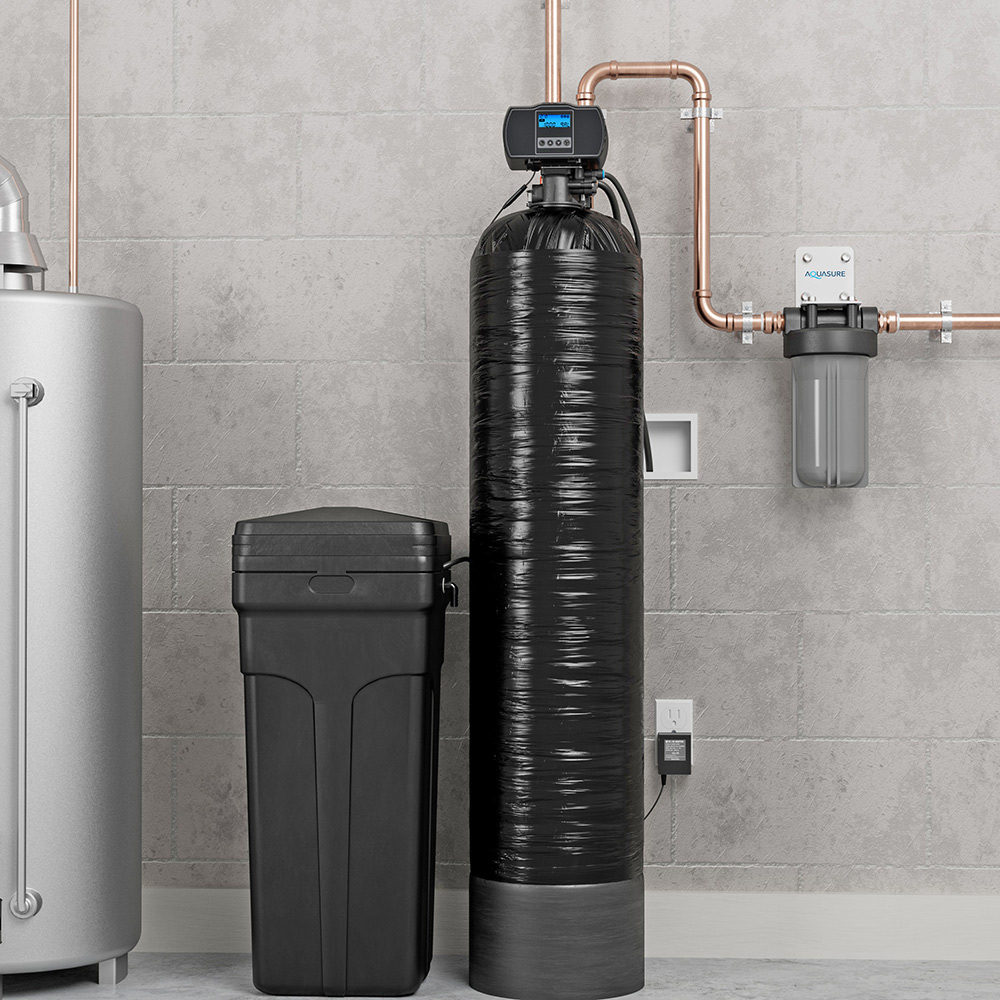
- Water softeners remove hardness minerals through a process called ion exchange, a method explained in detail by the Water Quality Association, the water treatment industry’s trade association. Hard water passes through resin beads charged with sodium or potassium. The beads swap those ions for the calcium and magnesium in your water. A typical softener has two tanks: a resin tank and a brine tank that holds salt. Most units include a bypass mechanism, a handle, push-pull device, or set of valves that lets water skip the unit entirely.
2. Water conditioners offer a saltless alternative. They don’t remove hardness minerals. Instead, they change how those minerals behave so they’re less likely to stick to pipes and fixtures as scale.
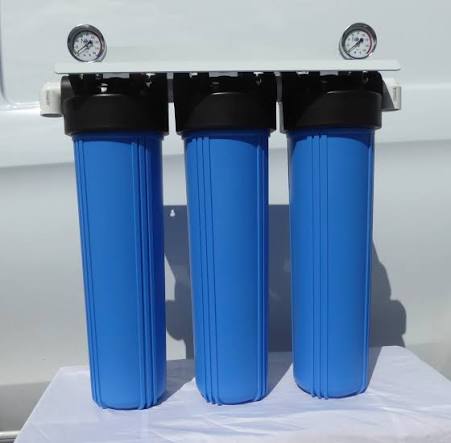
3. Water filters focus on taste, odor, and clarity. Reverse osmosis systems, typically found under the kitchen sink, can also remove sediment, chlorine, and, in some cases, bacteria and heavy metals.
One detail matters more than it seems. Water softeners do not remove chlorine or chloramine from city water. That’s important for what happens while you’re away.
Two Ways to Handle Your System During a Long Absence
Option 1: Bypass the system completely.
This seals the tanks, so no new water flows through. For an absence of a few weeks, the risk of bacterial growth in that standing water stays low. Stretch that to months, especially in a warm environment, and the risk grows. The natural disinfectant in city water breaks down over time without fresh water moving through. After a long stagnant period, manufacturers generally recommend sanitizing the system before you use it again. That process can be as simple as a manual regeneration cycle, or more involved with sanitizing chemicals, depending on your equipment.
Option 2: Leave the system in normal mode.
This keeps the resin tank receiving fresh city water each time water runs through the house. The chlorine or chloramine in that water acts as a natural disinfectant, which lowers the risk of bacterial growth significantly. Most modern softeners regenerate based on water usage rather than a set schedule. A vacant home typically won’t trigger a regeneration cycle on its own, so it helps to start one manually before you leave and again when you return.
A closed main valve changes things slightly. If you close the valve but leave the system in normal mode, no water can circulate either way, so it behaves much like bypass mode. This doesn’t damage the equipment, since everything stays flooded. If you unplug the system during the absence, it won’t attempt to regenerate at all. You may need to reset the internal clock once you power it back on.
A Note on Salt and Brine Tanks
If you have a salt based softener, avoid filling the brine tank completely before a long absence. Add salt only when the tank is nearly empty, and no more than one or two bags at a time. A full tank left unused for months can let the salt harden into a solid mass at the bottom. This is often called salt bridging. When it happens, the softener stops treating your water entirely. Most people don’t notice until the water stops feeling soft.
There Isn’t One Right Answer
Every home, every system, and every length of absence is a little different. For shorter absences, normal mode with regular water flow tends to be the simpler, lower-risk choice. For longer absences, especially through the winter, shutting off the water usually protects your plumbing better. Handle the treatment equipment according to your system’s specific guidance either way.
How We Can Help
We’re not water treatment specialists, and the right process can vary by equipment brand and age. We always recommend a quick conversation with your system’s manufacturer or local provider if you’re unsure. Here’s what we can do: follow whatever direction you give us. During your property closing, tell us in writing whether you’d like your system bypassed, left in normal mode, or handled a specific way. We’ll follow those instructions at every visit.
Contact us to talk through your property’s setup before your next extended absence